Video Resumes (Visume): Benefits & How to Create One
Authored by PERSOL Editorial Team, Content & Editorial Team, APAC • 6 min read


What Is a Video Resume (Visume) and How Does It Benefit Job Seekers?
A video resume (or "visume") is a brief 60-to-120-second video presentation where job candidates introduce themselves, showcase their communication style, and highlight key career accomplishments. It complements a traditional CV by demonstrating soft skills, executive presence, and cultural fit before the first interview.
Visume stands for “video resume” - a brief video version of a traditional resume.
This have been around for quite some time, but recently its popularity has soared. This article looks at the advantages of having a visume and how to go about creating one.
In July 2021, TikTok launched a pilot program called TikTok Resumes, where users could create a video CV showcasing their skills and experience to send directly to participating recruiters. Many companies including major US brands such as *Target, Chipotle and World Wrestling Entertainment, have signed up for the one-month pilot.
In March 2021, LinkedIn announced the launch of its new LinkedIn Profile features, and one of the functions is allowing candidates to upload a short video to their Profile. According to LinkedIn, almost 79% of hiring managers believe video has become more important for vetting job candidates.
With the rising demand for video CVs, candidates could take advantage of the tool to help them stand out to hiring managers because video resumes can highlight candidates’ personality and bring life to their stories better, unlike the traditional resume that could not project voice or animations.
Why Recruiters Value Video Resumes
One practical note: a visume complements automated screening—it does not bypass it. Application tracking systems read the written resume, so the video works at the human stage of the process, where differentiation actually happens. Job seekers should also think about accessibility: keep the audio clear and consider a captioned version, which broadens who can engage with your video and signals consideration to the recruiter.
The candidate benefit has an employer mirror image. A visume answers the questions a paper CV cannot: how does this person communicate, how prepared and self-aware are they, and would they fit the team's client-facing demands? For customer-facing, sales and graduate roles especially, sixty seconds of authentic presentation can separate two otherwise identical CVs. It also narrows the interview gap—by the time the live conversation happens, both sides have already met once.
So, how to make a video resume like a pro?
You don’t need huge investments to create one. Here are the steps to creating a visume:
1. Prepare a script.
Your script should include your name, overview of work experience, key achievements, skills and why you think you are the best fit for the role. Write it the way you speak—a script that sounds written will sound read. Rehearse it enough to be fluent, not enough to sound mechanical, and keep the opening ten seconds strong: recruiters decide quickly whether to keep watching.
2. Prepare the tools for video shooting.
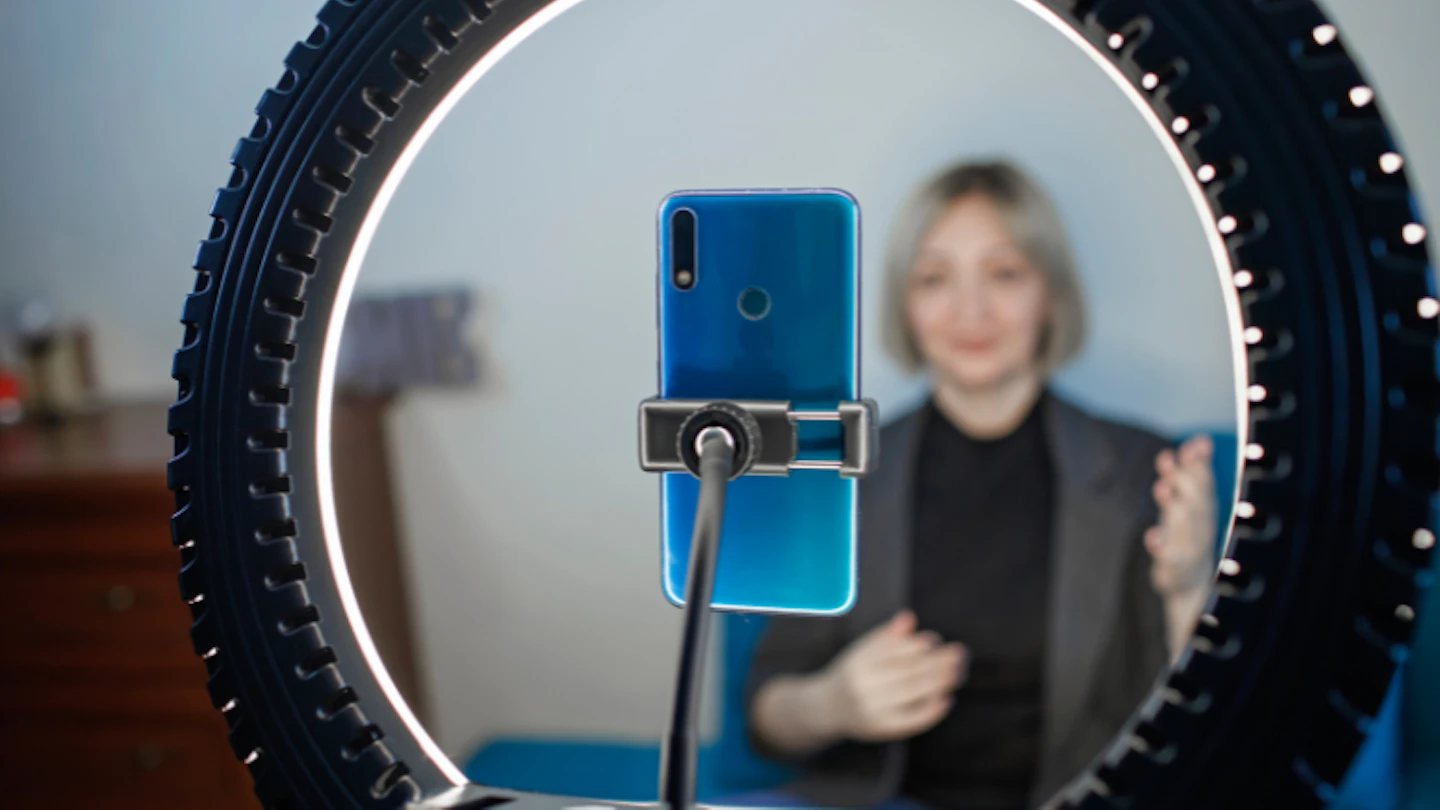
You will need a decent smartphone, a standee for the phone, a wireless microphone that is compatible with your phone, and a portable selfie ring light. Make sure the batteries are fully charged before the shooting session.
3. Set up the shooting location.
Choose a quiet place with sufficient natural sunlight to set up all the tools you have prepared. Your background should best be a plain wall or against a decent setting (or light furniture). Should not show clothes hanging around or messy shelves or people walking around.
4. Record several takes.
How to get rid of anxiety when you’re on camera? Just remember that this is not a live stream. You have many opportunities to re-take the scene, and practice makes perfect. Record several takes and make sure you have vertical and horizontal shots for each scene so that you may choose the best shot for editing purposes.
5. Use video editing tools.
Just search for video editing tools online and select what works for you – some examples include: Animaker, Biteable, or Veed.io. Use a professional-looking template for editing and keep the video’s duration within 2 minutes. Once you’re satisfied with the result, you may download the video resume; remember to keep the file compressed within 10Mb so that it is viable to be sent through email which has limited size capacity.
6. Send out your visume along with your resume.
Don't forget to attach your visume with your traditional resume. The conventional resume provides detailed information that you may not be able to present within your two-minute visume. As an added easy reference - add a link (from your cloud drive) at the end of your visume so that the recruiter can download a softcopy of your traditional resume easily.
Common Visume Mistakes to Avoid
Most weak visumes fail on the same handful of points. Reading a script word-for-word kills authenticity—internalise the structure instead. Over-editing (heavy filters, background music, jump cuts every three seconds) distracts from you and signals style over substance. Poor audio is worse than average video: test your microphone, because recruiters will forgive a plain backdrop long before they forgive straining to hear you. Keep it under two minutes; a longer video is not a better video. And do not skip the written resume—the visume complements it, it does not replace it, and application instructions that ask for specific formats should always be followed exactly.
When a Visume Makes Sense—and When It Does Not
Video resumes shine where communication, presence and personality are core to the job: sales, client service, media, teaching and graduate programmes. They add less value for highly technical roles assessed on portfolios or certifications, and some industries still prefer the traditional format—so read the application instructions before recording. Two etiquettes matter: never submit a visume unless it is requested or clearly welcome, and always pair it with a complete written resume rather than replacing one. The visume is an introduction, not the application itself.
Ready to star in your visume?
A good version can make a big difference in your pitch for jobs and help you stand out from the crowd. Happy recording!
Elevate Your Professional Career Profile with PERSOL
Standing out in modern talent acquisition requires engaging communication and authentic presentation. Connect with our dedicated career consultants to explore new roles, review personalized career guidance, or contact our team today.
Related Articles


Why Qualified Candidates in Singapore Say No ...
A qualified candidate may perform well in every interview, show genui...


Singapore's Workforce Is Changing. Are Employ...
Discover the workforce trends, hiring challenges and talent prioritie...


The Evolution of Recruitment: How AI is Strea...
Discover how AI is transforming recruitment, enhancing hiring process...


Navigating Career Uncertainty in Singapore’s ...
Navigate Singapore's job market with tips on skill enhancement and go...